Materials Guide

Metals, Finishes & Coatings

Choosing the right material is one of the most important decisions in any metal project. It affects strength, corrosion resistance, appearance, and long-term maintenance. This guide covers everything we work with — and what we recommend for different situations.

How to Choose a Metal

Three factors drive most material decisions: environment (is it indoors, outdoors, or coastal?), strength requirements (will it bear load or endure impact?), and aesthetic goals (should it be painted, patinated, or left raw?).

The table below shows our most common metals and where each one belongs. Full descriptions follow below.

Metal Corrosion Resistance Cost Best Environment
Mild Steel Low (needs coating) $ Indoor, inland exterior
Stainless Steel High $$$ Coastal, wet, food service
Aluminum High (natural oxide) $$ Marine, transport, large spans
Wrought Iron Moderate (needs coating) $$$ Historic, decorative, restoration
Galvanized Steel Very High $$ Outdoor, coastal, agricultural
Corten Steel Self-protecting patina $$ Landscape, sculpture, exterior
Brass / Bronze High (aged patina) $$$$ Decorative, hardware, accents

01

Mild Steel (A36 / A992)

The workhorse of fabrication

Mild steel — also called carbon steel — is the most common material we work with. It's strong, affordable, easy to weld, and holds finish exceptionally well. Nearly all of the gates, railings, and structural elements we build use mild steel as the base material.

The trade-off: mild steel corrodes quickly if left unprotected outdoors. Every exterior project we deliver is finished with a protective coating — powder coat, galvanizing, or a two-stage paint system — designed to last decades in New England weather.

Tensile Strength 58,000 – 80,000 psi
Weldability Excellent
Weight ~0.284 lb/in³
Best For Gates, railings, furniture, structural
02

Stainless Steel (304 / 316)

Corrosion resistance without compromise

Stainless steel contains chromium that forms a passive oxide layer — invisible, self-healing, and highly resistant to rust. For coastal properties, marine environments, food service, and medical facilities, stainless is often the only sensible choice.

We work primarily in two grades: 304 (general purpose, most common) and 316 (marine grade, contains molybdenum for extra resistance to salt and chloride). For anything within sight of salt water, we recommend 316.

Grades We Use 304, 316, 316L
Weldability Excellent (TIG preferred)
Finish Options Brushed, polished, satin, mirror
Best For Coastal, marine, kitchens, sanitary

03

Aluminum (6061 / 5052)

Light, strong, and naturally rust-resistant

Aluminum is about one-third the weight of steel and naturally forms a protective oxide layer that prevents rust. This makes it ideal for large spans, mobile structures, docks, ramps, and anything that needs to stay light without sacrificing strength.

Aluminum requires different welding techniques (TIG or spool gun MIG) and can be more challenging to finish than steel. We handle aluminum finishing through anodizing, powder coat, or leaving it in its natural brushed state.

Common Alloys 6061-T6, 5052-H32
Weight ~1/3 of steel
Finishing Anodize, powder coat, raw
Best For Docks, ramps, panels, trailers, signage

04

Wrought Iron

The traditional material of ornamental work

True wrought iron — with its fibrous grain and low carbon content — has not been produced in quantity since the mid-20th century. But it remains the gold standard for historic restoration work, and there are still domestic and European sources for new wrought iron in limited quantities.

When we cannot source true wrought iron, we use modern low-carbon steel that we hand-forge to look and behave like the original. The visual grain of hand-forged work is nearly indistinguishable, and the durability is comparable.

Carbon Content < 0.08%
Working Method Hand forging (hot)
Finish Options Black oxide, wax, paint
Best For Restoration, historic reproductions, ornamental gates

05

Galvanized Steel

The most durable exterior protection

Galvanizing is not a separate metal — it's a coating of zinc applied to steel through hot-dipping. The zinc sacrificially protects the steel even when the coating is scratched, making galvanized steel the most durable option for harsh exterior environments.

Hot-dip galvanizing adds significant protection — typically 30 to 50 years of corrosion resistance in a typical environment. For coastal or industrial applications, we often specify galvanizing plus a powder coat topcoat for both protection and color.

Coating Thickness 3 – 6 mils (typical)
Lifespan 30 – 50+ years
Finish Appearance Matte gray (spangled)
Best For Exterior structures, coastal, agricultural

06

Corten Steel (Weathering Steel)

A stable rust patina that protects itself

Corten — also known as COR-TEN — is a group of weathering steels that develop a stable, protective rust layer when exposed to weather. Instead of corroding away like mild steel, Corten rusts to a rich, warm patina that then stops getting worse.

It is beautiful, low-maintenance, and ideal for landscape features, sculpture, planters, and architectural elements. One caution: Corten produces rust runoff stains, so it should not be placed on porous surfaces or near white masonry.

Patina Time 6 – 24 months
Maintenance None after patina forms
Appearance Warm rust brown
Best For Landscape, sculpture, planters, signage

07

Brass & Bronze

Decorative alloys that age with grace

Brass (copper + zinc) and bronze (copper + tin) are the classic decorative metals. They resist corrosion well, develop beautiful natural patinas over time, and take a high polish that no ferrous metal can match.

We use brass and bronze mostly for hardware, accents, sculptural pieces, and architectural details. Because these metals are expensive, they are usually specified for small, high-visibility elements rather than structural work.

Common Types C360 brass, C932 bronze
Finishing Polished, brushed, patinated
Weathering Develops patina over time
Best For Hardware, accents, sculpture, signage

Finishes & Coatings

Finishing is what protects the metal and defines its look. We offer a full range of finishes — from powder coat in any color to hand-applied wax that ages beautifully.

Powder Coat

Dry powder electrostatically applied and baked into a hard, durable finish. Available in virtually any RAL color, matte to high gloss.

Best for: Exterior gates, railings, furniture

Hot-Dip Galvanizing

Immersion of the finished piece in molten zinc. Creates a metallurgically bonded zinc coating — the most durable exterior protection available.

Best for: Coastal, industrial, heavy structural

Black Oxide

Chemical conversion coating that darkens steel to a deep matte black. Often sealed with oil or wax for interior applications.

Best for: Historic reproductions, interior ironwork

Wax / Oil Patina

Hand-applied natural finishes that deepen the character of the metal. Requires periodic reapplication but ages gracefully.

Best for: Interior furniture, sculpture, decorative pieces

Two-Stage Paint

Primer and topcoat system — traditional, repairable, and available in any color. Ideal where spot repair is expected.

Best for: Railings, fencing, mixed-material applications

Raw / Mill Finish

No coating — the natural surface of the metal as it came from the mill. Used when a raw aesthetic is desired or when the metal is inherently corrosion-resistant.

Best for: Stainless, aluminum, Corten

Choosing for Your Environment

Where you install a piece matters as much as what it's made from. Here's our recommendation based on the environment the piece will live in.

Interior

Climate-controlled interior space, no direct moisture exposure. The widest range of materials and finishes is available.

Recommended: Mild steel, stainless, brass, bronze — with any finish

Inland Exterior

Outdoor use more than a mile from salt water. Typical freeze-thaw cycles, rain, and snow, but no salt spray.

Recommended: Galvanized steel or powder-coated mild steel

Wet / Marine

Direct water contact — docks, boats, pools, wash-down areas. The most aggressive conditions.

Recommended: 316 stainless, aluminum (5052), marine-grade hardware

Maintenance & Longevity

Even the best metalwork needs some attention. The difference between a piece that lasts 15 years and one that lasts 50 often comes down to simple, periodic care.

  • Annual Inspection

    Once a year, walk the piece and look for scratches, chips, or areas where the coating has worn. Addressing small issues prevents big ones.

  • Touch-Up

    For painted and powder-coated surfaces, use the touch-up materials we provide at closeout. Spot repairs take minutes and add years of life.

  • Cleaning

    Wash exterior ironwork with mild soap and water once or twice a year. Avoid abrasive cleaners. Rinse thoroughly, especially near the coast.

  • Wax Refresh (Interior)

    For waxed interior pieces, reapply a light coat of paste wax every 1–2 years to keep the finish rich and protective.

  • Hardware Check

    Gates and moving assemblies — check hinges, latches, and fasteners annually. A drop of lubricant on moving parts keeps everything operating smoothly.

  • Professional Re-Coat

    For exterior powder coat that has aged 10–15 years, a professional re-coat can restore both appearance and protection without replacing the piece.

These are general guidelines. We provide written care instructions specific to the materials and finishes used on every project.

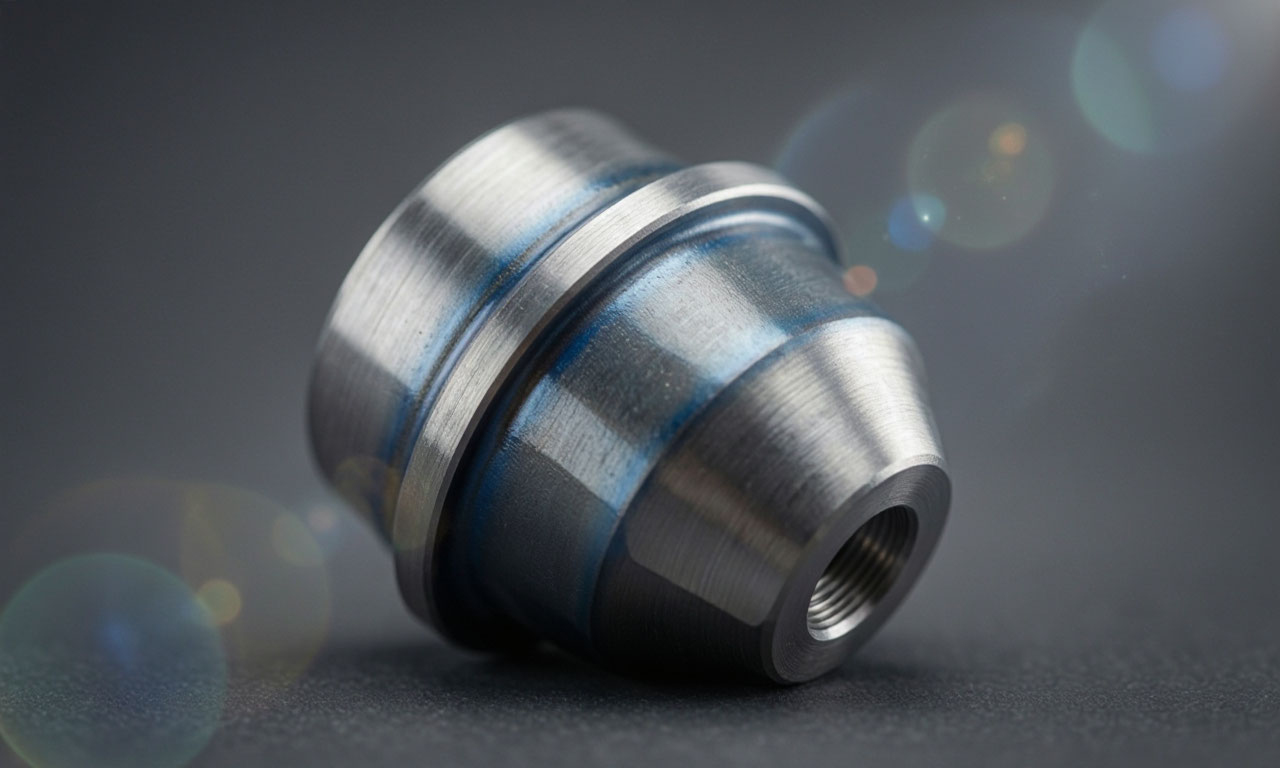
Finished metalwork detail with protective coating

Materials FAQ

Which metal is best for a coastal home?

For salt-air environments, we generally recommend 316 stainless steel, aluminum (5052), or mild steel that's been hot-dip galvanized and then powder-coated. These three options offer excellent long-term performance within sight of the ocean.

Can you match an existing finish?

In most cases, yes. Bring us a sample or a photo of the existing piece, and we can identify the material, finish, and color. Matching historic finishes, patinas, and powder-coat colors is one of our specialties.

What's the difference between 304 and 316 stainless?

Both are non-magnetic, corrosion-resistant austenitic stainless steels. The difference is that 316 contains molybdenum, which significantly improves resistance to chloride (salt) corrosion. For coastal or marine applications, always choose 316.

Is powder coat better than paint?

Powder coat is more durable, more uniform, and better for exterior use than standard paint. However, paint is easier to touch up in the field, which may matter for pieces that see regular impact or abrasion. We often specify powder coat for new work and paint for repairs.

Can I paint over galvanized steel?

Yes, but it must be done correctly. Freshly galvanized steel needs to weather for a few months or be treated with a special etching primer before painting, otherwise the paint will not adhere properly. When we spec galvanizing plus topcoat, we handle this step in-shop.

What is Corten steel and why would I use it?

Corten is a weathering steel that develops a stable rust patina and then stops corroding further. It's ideal for landscape features, sculpture, and planters where a warm, natural aesthetic is desired and where rust runoff won't stain nearby surfaces.

Do you offer any eco-friendly finishes?

Powder coat is a low-VOC finish — no solvents are released during application. Some of our hand-applied wax and oil finishes are also natural. For the most environmentally friendly option, we often recommend mill-finished stainless or aluminum that requires no coating at all.

How thick is a typical powder coat?

Powder coat thickness typically ranges from 2 to 6 mils (0.002 to 0.006 inches), depending on the formulation and application. This is thicker than most liquid paints and is one reason for its superior durability.

Not Sure What Material Is Right?

Bring us your project and we'll walk you through the options — with physical samples in hand. Consultations are free within 30 miles of Portland.

Visit Our Shop

56 Warren Ave. Ste #106
Portland, ME 04103

(207) 450-1094

[email protected]

Shop Hours

Monday – Friday: 8:00 AM – 5:00 PM

Saturday: 9:00 AM – 2:00 PM

Sunday: Closed